
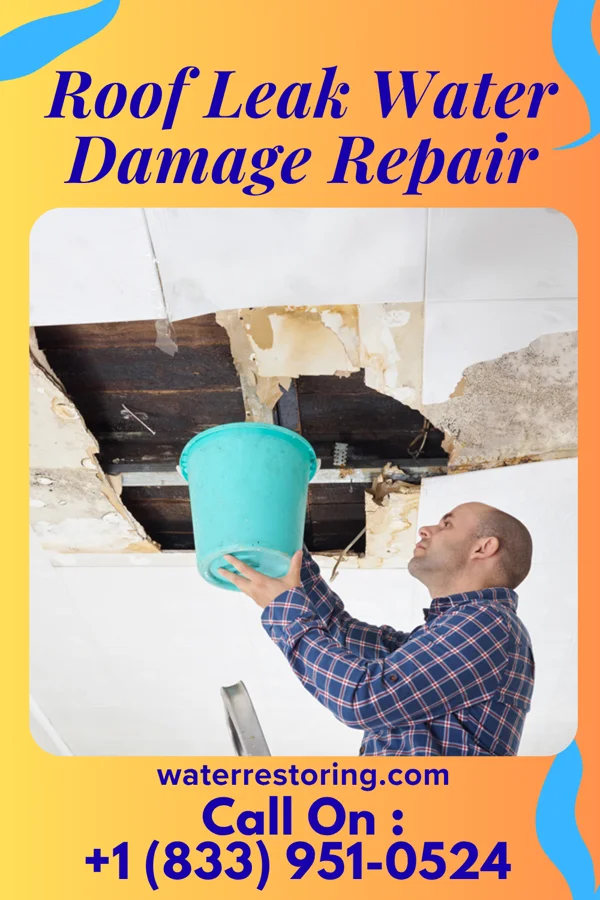
Active Roof Leak Containment in Joiner
Most water damage emergencies in Joiner start with Joiner, Arkansas experiences frequent thunderstorms and heavy rainfall, especially during the spring and summer months. These intense weather events can lead to sudden roof leaks and water damage in residential properties. The region's humid climate also contributes to prolonged moisture exposure, increasing the risk of structural issues.. A close second is In addition to thunderstorms, Joiner is prone to occasional severe weather patterns, including high winds and hail, which can damage roofing materials and create entry points for water. The area's annual rainfall, combined with its rural setting, can lead to standing water and saturated soil, further exacerbating water intrusion risks.. From the second water touches the property, every minute changes what gets saved and what gets ripped out.
The climate in Joiner, with its high humidity and frequent rainfall, can lead to long-term moisture issues in homes. This can result in mold growth, wood rot, and compromised structural integrity if leaks are not addressed promptly. The rural setting also means that water can pool around foundations, increasing the risk of basement flooding.
The climate in Joiner, with its high humidity and frequent rainfall, can lead to long-term moisture issues in homes. This can result in mold growth, wood rot, and compromised structural integrity if leaks are not addressed promptly. The rural setting also means that water can pool around foundations, increasing the risk of basement flooding. The dominant local driver is Joiner, Arkansas experiences frequent thunderstorms and heavy rainfall, especially during the spring and summer months. These intense weather events can lead to sudden roof leaks and water damage in residential properties. The region's humid climate also contributes to prolonged moisture exposure, increasing the risk of structural issues., with In addition to thunderstorms, Joiner is prone to occasional severe weather patterns, including high winds and hail, which can damage roofing materials and create entry points for water. The area's annual rainfall, combined with its rural setting, can lead to standing water and saturated soil, further exacerbating water intrusion risks. showing up as the next most common cause. Damage builds in stages. Spread. Absorption. Microbial growth. Structural compromise. Every stage you pass through adds to the final bill.